
Why Does Roof Cleaning Before Rainy Season Matter in Auburn, WA?
In Auburn, preparing your home for the rainy season is not optional—it is essential. Western Washington’s high annual rainfall, damp climate, and mild temperatures create the perfect conditions for moss, algae, and debris to accumulate on residential roofs. Without proper maintenance, this buildup can lead to water intrusion, structural damage, and costly repairs.
Roof cleaning before the heavy fall and winter rains begin is one of the most important preventative steps homeowners can take. Removing moss, leaves, and organic debris protects shingles, improves drainage, and extends the life of the roofing system. This article explains why pre-season roof cleaning is critical in Auburn and how it helps safeguard your home throughout the wet months.
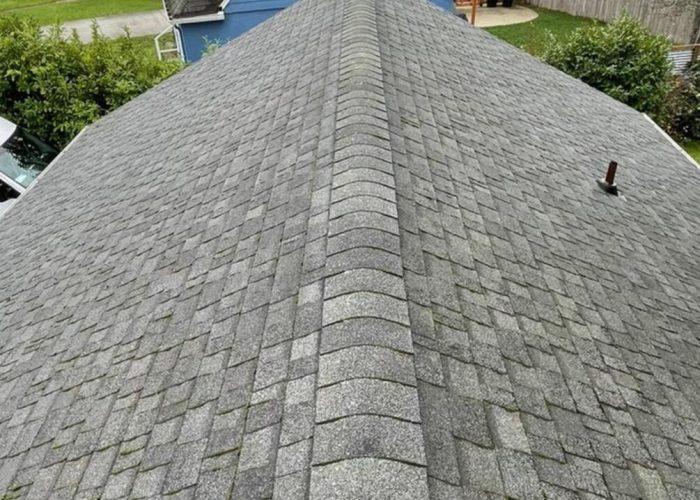
Auburn’s Climate Accelerates Roof Deterioration
Auburn experiences frequent rainfall spread across much of the year, with particularly heavy precipitation during fall and winter. Combined with shaded neighborhoods and tree-lined properties, roofs in the area remain damp for extended periods.
Persistent moisture encourages:
- Moss growth
- Algae staining
- Lichen formation
- Accumulation of leaves and twigs
When left untreated, these elements trap water against the roof surface. Over time, constant moisture exposure weakens shingles and creates opportunities for leaks.
Cleaning the roof before the rainy season reduces this moisture retention and prepares the system to handle heavy water flow efficiently.
Preventing Water Damage Caused by “Water Damming”
One of the most common and damaging issues associated with moss growth is “water damming.”
Moss Acts Like a Sponge
Moss and organic debris absorb and hold moisture directly against shingles. Instead of shedding rainwater quickly, the roof remains saturated long after a storm has passed.
This sponge-like effect allows water to:
- Pool on the roof surface
- Back up beneath shingles
- Seep under flashing
Even when gutters are clear, trapped moisture on low-slope or shaded roof sections can create localized pooling that may lead to infiltration.
Long-Term Structural Impact
In a wet climate like Auburn’s, prolonged moisture exposure can result in:
- Wood rot in the roof deck
- Softened sheathing
- Deteriorated underlayment
- Damaged soffits and eaves
Over time, minor water intrusion can evolve into significant structural repairs. Cleaning moss before the rainy season helps prevent the formation of these water dams.
Protecting Gutters and Downspouts From Blockages
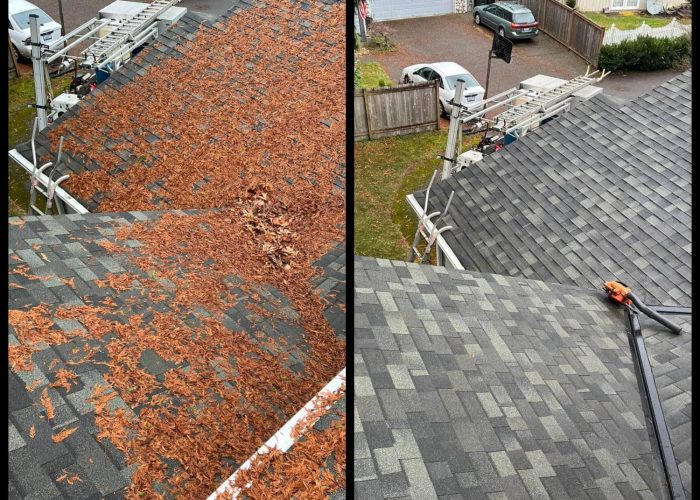
Roof debris rarely stays confined to the roof. During rainstorms, moss clumps, leaves, and twigs often slide into the gutter system.
Preventing Drainage Problems
When gutters and downspouts become clogged:
- Water overflows along the roof edges
- Fascia boards are exposed to constant moisture
- Siding may become stained or damaged
Overflow during heavy rainfall increases the risk of water entering the home’s exterior walls.
Safeguarding the Foundation
Blocked gutters can also cause water to pool near the foundation. In moisture-rich soil conditions common in Auburn, this can contribute to:
- Basement dampness
- Crawlspace moisture issues
- Soil erosion around the foundation
Cleaning the roof before debris enters the gutter system supports proper drainage and helps protect the home’s structural base.
Extending Roof Lifespan
Moss and algae do more than create an unsightly appearance. They actively contribute to the deterioration of roofing materials.
Preventing Roof Rot and Mold
Moisture trapped beneath moss encourages fungal growth and mold development. This can break down roofing materials and create soft spots beneath shingles.
As shingles degrade, they lose their ability to shed water effectively. This accelerates wear and increases the likelihood of leaks.
Avoiding Premature Replacement
A properly maintained asphalt shingle roof can last 25 to 30 years. However, asphalt shingle roofs in high-moisture environments without routine cleaning may deteriorate much sooner—sometimes within 12 to 15 years.
Routine moss removal and maintenance help preserve roofing materials, maximizing their intended lifespan.
Allowing for Thorough Inspection
Roof cleaning also creates the opportunity for a detailed inspection before severe weather arrives.
Identifying Hidden Damage
When moss and debris are removed, it becomes easier to detect:
- Cracked or curling shingles
- Missing tiles
- Damaged flashing
- Soft or sagging areas
Addressing minor issues early can prevent major leaks during winter storms.
Proactive Repairs Save Money
Catching small problems before the rainy season allows homeowners to make targeted repairs during favorable weather. Waiting until heavy rains begin can make damage worse and repairs more costly.
Improving Drainage Performance During Heavy Rain
Fall and winter storms in Auburn often deliver steady, prolonged rainfall rather than short bursts. Roofs must be able to shed water consistently over extended periods.
A clean roof:
- Promotes smooth water flow
- Reduces pooling
- Supports proper gutter performance
- Minimizes stress on roofing materials
When debris blocks water pathways, even moderate rainfall can overwhelm the system. Cleaning before the rainy season ensures the roof is prepared to manage high water volume efficiently.
Recommended Timing for Roof Cleaning
In Western Washington, the ideal time for roof cleaning and moss treatment is during the drier months before heavy fall rains begin. Late spring through early autumn typically provides the safest and most effective conditions.
For maintenance purposes:
- Roofs should be professionally cleaned every 2–3 years
- Annual inspections are recommended for heavily shaded or high-moisture areas
- Properties surrounded by trees may require more frequent attention
Routine maintenance prevents buildup from reaching damaging levels.
Protecting Home Value and Structural Integrity
Water damage is one of the most concerning issues for homeowners and prospective buyers. Signs of roof neglect—such as visible moss, water stains, or sagging gutters—can negatively impact property value.
A clean, well-maintained roof demonstrates proactive care. More importantly, it protects the home’s structural integrity by preventing moisture-related deterioration.
In Auburn’s rain-prone environment, preventative roof cleaning is far less expensive than repairing water damage, replacing rotted decking, or installing a new roof prematurely.
Conclusion
Roof cleaning before the rainy season in Auburn is a critical step in protecting homes from moisture-related damage. The region’s persistent rainfall and damp conditions accelerate moss growth and debris accumulation, which can lead to water damming, roof rot, clogged gutters, and foundation issues.
By removing moss and debris before heavy fall and winter storms arrive, homeowners improve drainage performance, extend roof lifespan, and reduce the risk of leaks. Regular maintenance—combined with seasonal inspections—ensures the roofing system remains structurally sound and prepared for Auburn’s wet climate.
Preventive care now helps homeowners avoid costly repairs later.
Extend the Life of Your Roof
A properly maintained roof can last 25 to 30 years—or even longer—but only with consistent care and preventative maintenance. In Auburn’s damp, rain-heavy climate, moss, algae, and organic debris accumulate quickly and trap moisture against shingles. Over time, this constant exposure weakens roofing materials, causes shingles to lift or curl, and accelerates deterioration. With professional service from Experienced Roof & Gutter Cleaning, homeowners can protect their investment and significantly extend the life of their roofing system. Routine maintenance today helps reduce the risk of leaks, prevent costly damage, and delay premature roof replacement tomorrow.
Frequently Asked Questions (FAQ)
Most roofs should be cleaned every 2–3 years, with annual inspections recommended for heavily shaded or high-moisture properties.
Moss traps moisture against shingles, which can lead to water infiltration, wood rot, and premature material deterioration.
Yes. Removing debris and moss reduces water pooling and allows for early detection of damaged shingles or flashing.
The ideal time is during the drier months before heavy fall and winter rains begin.
Yes. Clearing debris from the roof reduces the amount that enters gutters, improving drainage and preventing overflow.