
How to Remove Moss from Roofs?
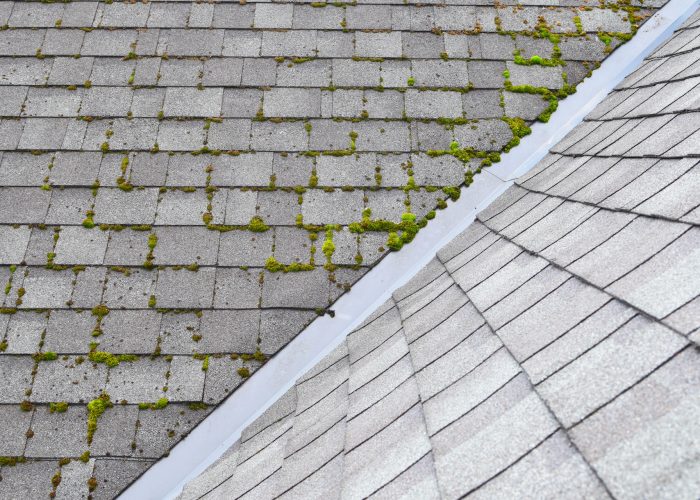
If you live in Renton, WA, chances are that you have noticed the increase in roof moss growth around your neighborhood. With damp conditions in the Pacific Northwest providing ideal conditions for this bloom to flourish, and woodland settings providing ideal environments, this charming little plant can quickly take over roofs throughout your neighborhood, significantly reducing the lifespan of the roofs. While its beauty may make for charming woodland scenes, on roofing systems, it can become problematic- trapping moisture, damaging shingles, and shortening their lifespan significantly.
Moss removal can be accomplished easily when equipped with the appropriate tools, methods, and safety precautions. Whether you’re tackling the task yourself or hiring professional help in Renton, this guide provides a comprehensive overview of removing moss from roofs in the area.
Why Moss is a Problem for Roofs
Moss is more than just a cosmetic issue. Left untreated, it can:
- Trap Moisture: Moss retains water, which can seep under shingles and cause rot.
- Damage Shingles: As moss grows, it can lift shingles, creating entry points for leaks.
- Clog Gutters: Loose moss and debris often wash into gutters, leading to clogs and drainage issues.
- Reduce Roof Lifespan: Persistent moss can significantly shorten the lifespan of your roof.
Renton’s constant rainfall and shaded properties necessitate routine roof moss removal as part of home maintenance.
Tools and Supplies for Moss Removal
Before starting, gather the right tools to ensure an effective and safe cleaning process:
- Stiff-bristle brush or roof rake: For gently scrubbing away moss.
- Garden hose with spray nozzle: To rinse off moss and cleaning solution.
- Ladder: A sturdy ladder for safe access to your roof.
- Protective gear: Gloves, non-slip shoes, and safety goggles.
- Moss removal solution: You can buy a commercial product or make your own mixture (e.g., one part white vinegar to one part warm water, or a diluted bleach solution).
- Plastic sheeting (optional): To protect landscaping from runoff during cleaning.
Step-by-Step Guide to Removing Moss
1. Clear Debris
Step one of moss removal involves clearing away loose debris such as leaves, pine needles, and twigs from your roof to avoid moisture build-up and focus on eliminating it directly. This step prevents moisture accumulation while giving you more room to work directly on removing moss growth.
2. Gently Brush Away Moss
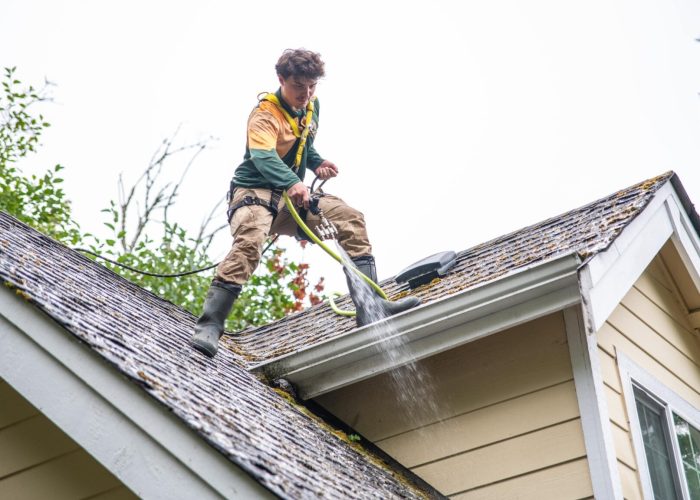
Use a stiff-bristled brush or roof rake with stiff bristles to gently dislodge moss from your roof’s surface, working from its peak down towards its base. Avoid excessive scrubbing as forceful efforts could damage shingles.
3. Apply a Moss Removal Solution
Once most of the moss is cleared, apply your chosen moss-killing solution:
- Vinegar solution: One part vinegar and one part warm water.
- Bleach solution: One part bleach to three parts water.
- Commercial product: Follow the manufacturer’s instructions.
4. Let the Solution Sit
Allow the solution to sit for 20-30 minutes to kill moss and loosen any remaining patches, making them easier to remove. This should kill most moss cells while making removal more straightforward.
5. Rinse the Roof
Using a garden hose fitted with a spray nozzle, carefully rinse your roof from top to bottom. Avoid pressure washers, as these may strip shingles and cause lasting damage.
6. Inspect and Repeat if Necessary
Check your roof for any remaining moss. Repeat brushing and solution steps as necessary, and treat thick moss growth multiple times before considering further action.
7. Clean Up
Dispose of all moss debris and rinse any protective sheeting (if used). Clean out gutters to ensure they’re free from moss or any blockages.
Safety Precautions for Moss Removal
Working on a roof can be dangerous, especially in wet conditions. Keep these safety tips in mind:
- Avoid pressure washers: They can erode shingles and void roofing warranties.
- Work on dry days: Wet roofs are slippery and increase fall risk.
- Wear proper footwear: Use shoes with non-slip soles.
- Use ladder stabilizers to reduce the chance of falls.
- Consider hiring a professional: If your roof is steep, high, or if you’re uncomfortable working at heights, it’s safer to call an expert.
Preventing Future Moss Growth
Prevention is key to keeping your roof free of moss and algae growth, especially in Renton’s damp climate. Here are strategies that work well:
- Trim Overhanging Branches: Reduce shade to let more sunlight dry the roof.
- Install Zinc or Copper Strips: These metals release ions when it rains, creating an environment that inhibits moss growth.
- Regular Roof Maintenance: Keep your roof free of leaves and debris, especially in the fall.
- Gutter Cleaning: Clean gutters at least twice a year to prevent water backup.
- Annual Inspections: Check for early signs of moss and address them before they spread.
DIY vs. Professional Moss Removal
Some homeowners opt to tackle their moss problems themselves, while others turn to professionals for assistance. Here is an easy comparison between the two approaches:
- DIY Pros: Offers lower cost, flexible timing, and is suitable for light moss growth.
- DIY Cons: Risk of falls, potential roof damage, limited effectiveness for severe infestations.
- Professional Pros: Safer, more thorough, and access to professional-grade treatments and equipment.
- Professional Cons: Higher upfront cost.
Professional roof cleaning may be necessary if your roof is older, covered in heavy moss growth, or difficult to access.
Conclusion
Roof moss can be an unsightly problem in Renton, WA; however, it doesn’t have to damage your home. With proper tools, safe methods, and preventative measures, you can keep your roof free of moss-related issues while prolonging its lifespan – whether done yourself or hired out – in this rainy Pacific Northwest environment. Regular roof maintenance protects you against future moss issues and ensures your roof looks its best.
Stop Moss Before It Damages Your Roof
The longer you allow moss to remain on your roof, the greater the damage it can cause. Renton, WA’s damp weather allows rapid moss growth that quickly becomes costly, trapping moisture and lifting and cracking shingles, which eventually lead to leaks or structural damage from leaks. Our team provides safe and effective moss removal using professional techniques that don’t harm shingles. Zinc or copper strip installation offers long-term solutions against future moss regrowth, further protecting homeowners by prolonging their roof’s lifespan with expert care. Call us now for your free quote and prevent potential moss damage before it starts.
Frequently Asked Questions (FAQ)
At least once a year, or more frequently if your roof is heavily shaded or prone to moss growth.
Both work, but vinegar is less harsh on shingles and landscaping. Bleach is stronger but should be used carefully to avoid damage.
No. Pressure washers can strip shingles and significantly reduce your roof’s lifespan.
Yes. When rainwater washes over zinc or copper strips, it creates an environment that helps prevent moss from returning.
If your roof is steep, high, or covered in heavy moss, hiring a professional is the safest and most effective option.