
How to Keep Your Siding Clean Between Professional Washings in Tacoma?
Tacoma’s climate is one of the many reasons residents enjoy living in the Pacific Northwest. The region’s lush greenery, mild temperatures, and frequent rainfall create beautiful surroundings year-round. However, those same weather conditions can present challenges for homeowners when it comes to exterior maintenance. Rain, moisture, falling leaves, pollen, and organic growth can quickly accumulate on siding, causing homes to look dirty long before the next scheduled professional cleaning.
While professional house washing remains the most effective way to remove deeply embedded dirt and organic growth, homeowners can take several simple steps to keep their siding cleaner between major washings. Consistent maintenance not only improves curb appeal but can also help extend the lifespan of exterior materials by reducing prolonged exposure to moisture and contaminants.
Below are practical tips Tacoma homeowners can use to keep their siding clean year-round.
Trim Back Trees, Shrubs, and Other Vegetation
One of the most important preventative maintenance tasks is keeping vegetation away from your home’s exterior. Trees, bushes, shrubs, and climbing plants can trap moisture against siding, creating an environment where mold, mildew, and algae thrive.
Landscaping should be maintained so that branches and foliage remain at least 2 to 3 feet away from the home. This spacing improves airflow around the exterior surfaces and allows siding to dry more quickly after rain. Better air circulation reduces the likelihood of moisture-related staining and biological growth.
In addition to moisture concerns, overgrown vegetation can scratch siding surfaces during windy conditions. Branches rubbing against the exterior may leave marks or gradually wear away protective finishes. Routine trimming helps prevent unnecessary damage while keeping your property neat and well-maintained.
Rinse Off Dirt and Debris Regularly
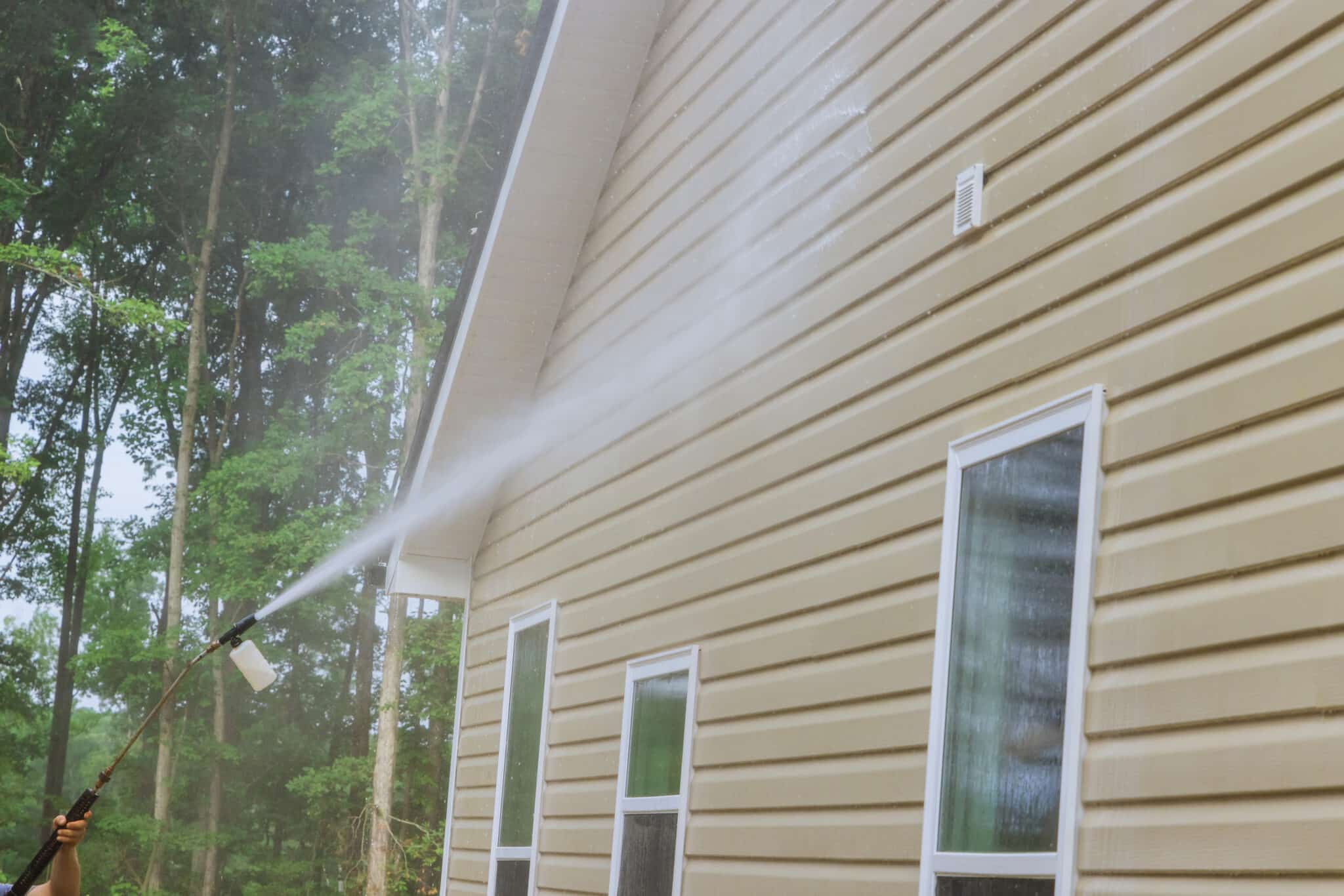
Many homeowners wait until visible staining appears before thinking about cleaning their siding. However, periodic rinsing can help prevent dirt and debris from becoming firmly attached to exterior surfaces.
Avoid using a pressure washer unless you are familiar with the proper techniques, as excessive pressure can force water behind the siding or damage certain materials. This simple task often takes only a few minutes but can make a noticeable difference in the home’s appearance.
Regular rinsing is especially beneficial during spring and summer, when pollen levels are high. It can also help remove fine particles that settle on siding from nearby roads, construction activity, or other environmental sources. By removing contaminants before they build up, homeowners can reduce the need for more intensive cleaning later.
Keep Gutters and Downspouts Clear
Proper water management plays a major role in maintaining clean siding. Gutters and downspouts are designed to direct rainwater away from the home, but when they become clogged with leaves, twigs, and debris, water may overflow onto exterior walls.
Overflowing gutters can create unsightly streaks and water stains on siding. More importantly, prolonged exposure to moisture can promote mold and mildew growth. Over time, excessive water runoff may also contribute to the deterioration of surrounding materials.
Regularly inspecting and cleaning gutters helps ensure that rainwater flows properly through the drainage system. During periods of heavy leaf fall, more frequent inspections may be necessary. Keeping gutters functioning correctly is one of the easiest ways to prevent moisture-related siding problems.
Address Mold and Mildew as Soon as They Appear
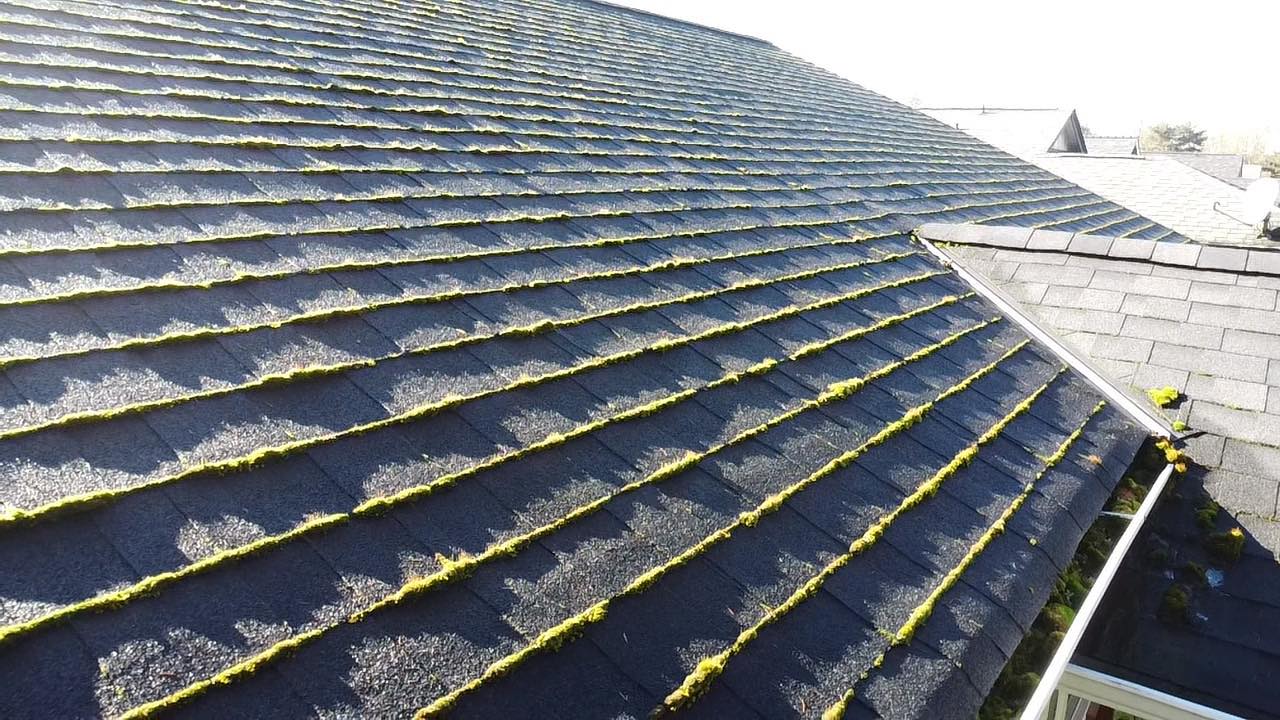
Tacoma’s damp environment creates favorable conditions for mold and mildew growth. Even with regular maintenance, homeowners may occasionally notice small dark spots developing on shaded sections of siding.
Treating these areas promptly can prevent the growth from spreading. A common cleaning solution consists of 1 part household bleach mixed with 5 parts water. Apply the solution carefully to the affected area using a spray bottle, sponge, or soft cloth. After allowing it to sit briefly, rinse thoroughly with clean water.
When working with cleaning solutions, always follow product safety instructions and avoid mixing bleach with other household chemicals. Spot treatment is most effective when growth is caught early, before larger sections of siding become affected.
Maintain Proper Clearance Between Siding and Soil
Ground-level moisture is another factor that can impact siding cleanliness. When soil, mulch, or landscaping materials are piled too high against the home, dirt and moisture can easily transfer onto exterior surfaces.
Maintaining approximately 6 inches of clearance—or following the siding manufacturer’s recommendations—between the bottom of the siding and the soil helps reduce moisture problems. During heavy rainstorms, water can splash dirt and mud upward onto walls, leading to staining and discoloration.
Adequate ground clearance also promotes better airflow near the foundation and helps reduce moisture retention. For homes with wood-based exterior components, proper spacing can be especially important for preventing moisture-related deterioration over time.
Clean Mud Splashes Before They Dry
Mud splashes are common during periods of heavy rainfall, particularly near driveways, walkways, and landscaping beds. While they may seem minor at first, dried mud can become more difficult to remove if left untreated.
Prompt cleaning is usually the simplest solution. A soft-bristled brush, along with mild dish soap and water, can effectively remove mud without damaging the siding. Gentle scrubbing is typically sufficient to restore the area’s appearance.
By addressing mud promptly, homeowners can prevent staining and reduce the likelihood of dirt becoming embedded in textured siding.
Develop a Simple Seasonal Maintenance Routine
Keeping siding clean does not require a complicated maintenance schedule. Small, consistent efforts throughout the year often provide the best results.
A seasonal approach may include inspecting vegetation in spring, rinsing siding periodically during summer, clearing gutters in fall, and monitoring for mold or mildew during wetter months. Regular visual inspections can help identify potential issues before they become larger problems.
When combined with periodic professional house washing, these preventive measures can significantly reduce buildup and keep your home’s exterior looking its best year-round.
Conclusion
Maintaining clean siding between professional washings is especially important in Tacoma’s wet climate. Frequent rainfall, moisture, leaves, pollen, and airborne debris can quickly affect a home’s appearance if left unmanaged. Fortunately, a few simple maintenance habits can go a long way toward preserving curb appeal and protecting exterior surfaces.
By trimming vegetation, rinsing away debris, keeping gutters clear, treating mold and mildew promptly, maintaining proper ground clearance, and removing mud before it dries, homeowners can reduce buildup and extend the life of their siding. Consistent attention to these tasks helps ensure that your home remains cleaner, healthier, and more attractive between major exterior cleaning services.
Schedule Professional House Washing Before Buildup Becomes a Problem
Keeping your siding clean between professional washings can significantly improve your home’s appearance, but routine maintenance only goes so far. Tacoma’s wet climate creates the perfect environment for dirt, algae, mold, and mildew to accumulate gradually on exterior surfaces. Even if you regularly rinse your siding and maintain your landscaping, contaminants can still become embedded in the siding over time.
Professional house washing provides a deeper level of cleaning that removes stubborn buildup while helping protect your siding’s long-term condition. At Experienced Roof & Gutter Cleaning, our team uses proven cleaning methods to safely restore your home’s exterior without damaging delicate surfaces. Regular professional cleaning can help prevent discoloration, preserve curb appeal, and reduce the risk of moisture-related issues.
If your siding is beginning to look dull, stained, or weathered, professional house washing can help restore its appearance and remove accumulated contaminants. Contact Experienced Roof & Gutter Cleaning today to keep your Tacoma home’s exterior looking its best year-round.
How Often Should You Rinse Your Siding in Tacoma?
One of the easiest ways to keep your home’s exterior clean between professional washings is to rinse the siding with a garden hose periodically. In Tacoma, where pollen, dust, airborne debris, and moisture are common year-round, a light rinse every few weeks can help prevent buildup from settling into the surface. Regular rinsing is especially helpful during spring and summer when pollen levels increase and after storms that leave dirt or debris on the exterior. While rinsing will not replace a professional cleaning, it helps maintain your home’s appearance and extends the time between major washings.
How Often Should You Rinse Your Siding in Tacoma?
Tacoma’s cool, damp marine climate creates favorable conditions for mold, mildew, and algae growth throughout much of the year. The region experiences frequent rainfall, high humidity, and prolonged moisture that can remain on exterior surfaces, particularly in shaded areas. Siding that receives limited sunlight often stays damp longer, making it easier for organic growth to develop. Homes surrounded by mature trees or dense landscaping may experience even greater moisture retention. Regular inspections and maintenance can help homeowners identify and address these issues before they become widespread.
How Often Should You Rinse Your Siding in Tacoma?
The placement of trees, shrubs, and other landscaping features plays a significant role in siding maintenance. Vegetation should generally be kept at least two to three feet away from the home’s exterior. This spacing allows proper airflow around the siding, helps surfaces dry more quickly after rain, and reduces the likelihood of mold and mildew growth. Keeping branches and shrubs trimmed also prevents scratches, stains, and debris from accumulating against the home’s exterior walls.
What Causes Streaks and Discoloration on Siding?
Many homeowners notice dark streaks or uneven discoloration appearing on their siding over time. Overflowing gutters, roof runoff, accumulated dirt, and organic growth often cause these marks. When gutters become clogged, water can spill over the edges and repeatedly run down the siding, leaving stains and moisture behind. Dirt and airborne pollutants can also collect on the surface, creating visible streaking. Addressing drainage issues promptly and keeping gutters clean can significantly reduce the appearance of these stains.
Can Regular Maintenance Reduce the Need for Professional House Washing?
Routine siding maintenance can help keep your home’s exterior cleaner for longer periods. Tasks such as rinsing away debris, trimming landscaping, cleaning gutters, and removing small patches of mildew can slow the accumulation of dirt and organic growth. However, regular maintenance cannot eliminate the need for professional house washing. Over time, contaminants become embedded in the siding surface and require specialized cleaning methods to remove safely and effectively. Professional cleaning helps restore the appearance of the siding while removing buildup that routine maintenance alone cannot address.
Combining Routine Care With Professional Cleaning
The most effective approach for Tacoma homeowners is combining regular maintenance with periodic professional house washing. Consistent upkeep helps prevent excessive buildup, while professional cleaning removes deeper contaminants and restores the home’s curb appeal. By following a proactive maintenance routine year-round, homeowners can protect their siding, enhance their property’s appearance, and help extend the lifespan of their exterior surfaces.