
Can Pressure Washing Permanently Remove Mold, Algae, and Moss in Bellevue, WA?
Many homeowners in Bellevue, Washington, turn to pressure washing when they notice mold, algae, moss, or mildew building up on their home’s exterior surfaces. The immediate results can be impressive, with years of grime and discoloration seemingly disappearing in a matter of hours. However, a common question remains: can pressure washing permanently eliminate organic growth?
The short answer is no. While pressure washing is highly effective at removing visible dirt, mold, algae, and moss from surfaces, it does not typically provide a permanent solution. Bellevue’s climate creates ideal conditions for organic growth to return over time, making ongoing maintenance an important part of exterior property care.
Understanding why organic growth recurs and which cleaning methods offer longer-lasting results can help homeowners make informed decisions about maintaining their property.
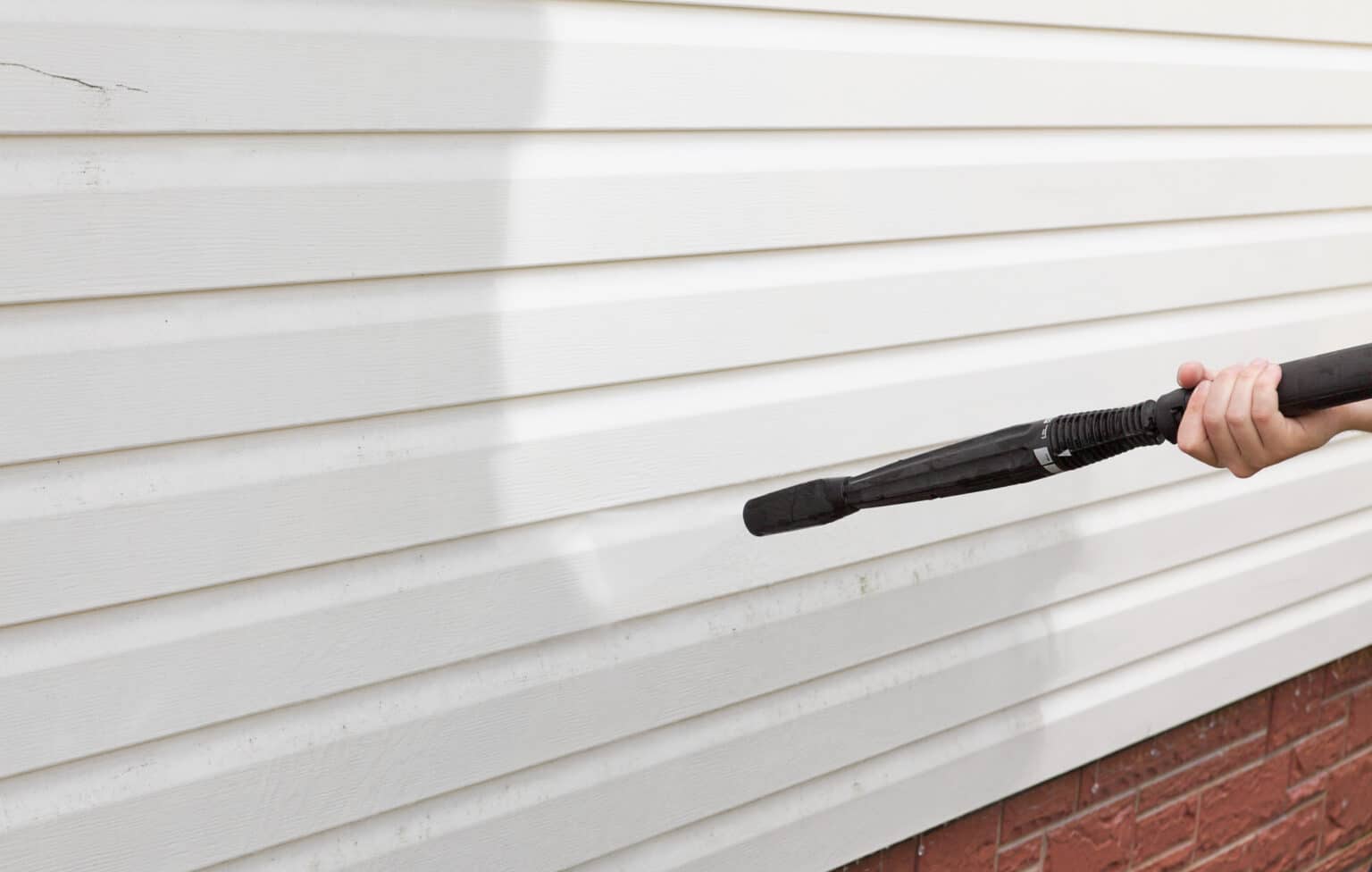
Why Organic Growth Is Common in Bellevue
Bellevue’s environment naturally supports the growth of mold, algae, moss, and mildew. The region experiences significant rainfall throughout the year, combined with moderate temperatures that rarely become excessively hot or cold.
Mature trees and dense landscaping also surround many residential properties. While these natural features contribute to the area’s beauty, they often create shaded areas where moisture can remain trapped for extended periods.
When surfaces remain damp, organic growth can quickly establish itself. Roofs, siding, decks, driveways, walkways, and fences are especially vulnerable because they are regularly exposed to moisture and limited sunlight.
As a result, even regularly cleaned properties may experience recurring buildup over time.
What Pressure Washing Does Well
Pressure washing is a powerful cleaning method that uses highly pressurized water to remove surface contaminants.
This process is extremely effective for:
- Removing dirt and grime
- Cleaning stained concrete
- Eliminating visible algae and mildew
- Washing away moss buildup
- Restoring the appearance of exterior surfaces
For many homeowners, pressure washing provides immediate visual improvement and can significantly enhance curb appeal.
It is particularly useful for hard surfaces such as concrete driveways, patios, retaining walls, and certain types of durable exterior materials.
However, while pressure washing removes what is visible on the surface, it does not always address the underlying cause of organic growth.
Why Mold, Algae, and Moss Return
One reason organic growth returns is that microscopic spores and root-like structures can remain embedded within porous materials even after pressure washing.
Surfaces such as wood, concrete, roofing materials, and certain types of siding contain tiny pores and crevices. These spaces can harbor biological contaminants that are difficult to remove completely through water pressure alone.
Although the visible layer may disappear, surviving spores can begin reproducing once moisture returns.
Bellevue’s climate further accelerates this process. Frequent rainfall, morning dew, shaded areas, and consistently damp conditions provide an ideal environment for regrowth.
As a result, homeowners often notice mold, algae, or moss reappearing months after a standard pressure washing service.
The Advantages of Soft Washing
Because pressure washing alone may not provide long-term control of organic growth, many exterior cleaning professionals recommend soft washing as part of a comprehensive cleaning strategy.
Soft washing uses low-pressure water and specialized cleaning solutions to target organic contaminants at their source.
Unlike traditional pressure washing, which relies primarily on force, soft washing focuses on treating and neutralizing biological growth.
The cleaning solutions work by breaking down and killing mold, algae, moss, mildew, and other organic organisms. This process helps reduce the likelihood of rapid regrowth and often delivers longer-lasting results.
Another advantage is that soft washing is gentler on delicate surfaces. Roofing materials, painted siding, stucco, and certain wood surfaces can often be cleaned more safely with low-pressure techniques than with aggressive pressure washing.
Why Soft Washing Often Produces Longer-Lasting Results
The primary reason soft washing tends to outperform pressure washing for organic growth removal is that it addresses both the visible contamination and the underlying biological activity.
Instead of simply washing away surface buildup, the treatment helps eliminate the organisms that cause staining and discoloration.
This approach can significantly extend the time before mold, algae, or moss returns.
While no cleaning method can completely prevent future growth in Bellevue’s climate, soft washing often provides noticeably longer-lasting results than pressure washing alone.
For homeowners seeking a more effective solution, combining surface cleaning with biological treatment is generally considered the best approach.
The Importance of Ongoing Maintenance
Even the most thorough cleaning will not permanently stop organic growth in Western Washington.
Environmental conditions continuously introduce new spores and organic material onto exterior surfaces. Over time, moisture and shade allow these organisms to establish themselves again.
Because of this, many property owners follow a routine maintenance schedule rather than waiting for severe buildup to occur.
Regular cleaning can help:
- Preserve curb appeal
- Extend the lifespan of exterior materials
- Reduce moisture-related deterioration
- Minimize staining and discoloration
- Prevent excessive moss accumulation
Routine maintenance is often more cost-effective and less labor-intensive than addressing years of neglected buildup.

Conclusion
Pressure washing is an effective way to remove visible mold, algae, moss, and grime from exterior surfaces, but it does not permanently eliminate organic growth. Microscopic spores can remain embedded within porous materials, allowing growth to return over time.
In Bellevue, Washington, the combination of frequent moisture, shaded environments, and mild temperatures creates ideal conditions for recurring organic buildup. For longer-lasting results, many homeowners choose a cleaning approach that combines pressure washing with soft washing techniques designed to neutralize biological growth at its source.
While permanent prevention is unrealistic in Bellevue’s climate, regular maintenance and proper cleaning methods can significantly reduce recurring problems and help keep exterior surfaces looking their best year-round.
Restore Your Home's Curb Appeal with Expert Exterior Cleaning
Over time, dirt, algae, moss, and mildew can significantly impact the appearance of your property. These contaminants often leave surfaces looking aged, stained, and neglected. Professional cleaning can dramatically improve curb appeal and help your home stand out in the neighborhood. Experienced Roof & Gutter Cleaning specializes in restoring exterior surfaces throughout Bellevue using proven cleaning methods that safely remove buildup and organic growth. Our services are designed to enhance the appearance of driveways, walkways, siding, roofs, decks, fences, and more. We carefully evaluate each surface and select the most appropriate cleaning method to ensure effective results without unnecessary risk. Whether pressure washing or soft washing is recommended, our goal is to leave your property looking cleaner, brighter, and better maintained. If your home’s exterior is showing signs of discoloration or biological growth, now is the perfect time to take action. Schedule your exterior cleaning service with Experienced Roof & Gutter Cleaning today and enjoy a refreshed, revitalized property.
Can Pressure Washing Permanently Remove Mold and Algae?
Pressure washing is highly effective at removing visible mold, algae, and surface grime, but it does not permanently eliminate organic growth. While the high-pressure water removes what can be seen on the surface, microscopic spores and root-like structures may remain embedded in porous materials. Given Bellevue’s moist climate, these organisms can eventually return if conditions remain favorable. Regular maintenance and proper treatment methods help slow regrowth and keep exterior surfaces cleaner for longer.
Why Does Moss Keep Returning After Cleaning?
Moss thrives in damp, shaded environments, making Bellevue an ideal location for recurring growth. Even after a thorough cleaning, moisture from frequent rainfall and limited sunlight can create the perfect conditions for moss to re-establish itself. Areas beneath tree cover, on north-facing surfaces, and in consistently shaded locations are especially vulnerable. Routine cleaning and preventative maintenance can help reduce the speed and extent of moss regrowth.
Understanding the Difference Between Pressure Washing and Soft Washing?
Although both methods are used to clean exterior surfaces, they serve different purposes. Pressure washing relies on high-pressure water to remove dirt, grime, and surface contaminants from durable materials such as concrete and certain masonry surfaces. Soft washing, on the other hand, uses low-pressure water combined with specialized cleaning solutions designed to target mold, algae, mildew, and other organic growth at a deeper level. For many exterior cleaning projects, professionals choose the method that best matches the surface material and the type of buildup being treated.
Is Soft Washing Safe for Roofs and Siding?
When performed correctly, soft washing is generally considered a safe and effective cleaning method for many roofing materials, siding types, and other delicate exterior surfaces. Because it uses significantly less pressure than traditional pressure washing, it reduces the risk of damage while still helping remove organic growth and staining. This approach is commonly recommended for surfaces that could be harmed by excessive water pressure, including asphalt shingles, painted siding, and certain composite materials.
How Often Should Exterior Surfaces Be Cleaned in Bellevue?
The ideal cleaning schedule depends on factors such as property location, tree coverage, moisture levels, and sun exposure. In Bellevue’s wet climate, many homeowners find that annual or semi-annual exterior cleaning helps manage the buildup of mold, algae, moss, and other organic contaminants. Regular cleaning not only improves curb appeal but also helps protect exterior materials from premature deterioration caused by long-term moisture exposure and biological growth.