
How Professional House Washing Eliminates Black Siding Streaks in Tacoma
Black streaks on home siding are a common problem for homeowners in Tacoma, WA. The Pacific Northwest climate creates the perfect environment for algae, mildew, mold, and moisture buildup, all of which can leave dark stains and streaks across exterior surfaces. Over time, these marks can make a home appear older, neglected, and poorly maintained, even when the structure itself is in excellent condition.
Fortunately, professional siding house washing is an effective solution for removing black streaks and restoring a cleaner, brighter appearance. Using soft washing techniques and specialized cleaning solutions, professionals can safely eliminate organic growth and grime without damaging siding materials.
This guide explains what causes black streaks, how professional house washing works, and why Tacoma homeowners benefit from regular exterior cleaning.
What Causes Black Streaks on Siding?
A combination of moisture, algae, mold, mildew, dirt, and gutter runoff typically causes black streaks on siding. Tacoma’s wet climate allows organic growth to thrive on exterior surfaces, especially in shaded areas where sunlight and airflow are limited.
One of the most common causes is algae growth. Algae can spread across vinyl, wood, stucco, and brick siding, leaving dark stains that become more noticeable over time. Mold and mildew also contribute to discoloration and may continue spreading if not properly treated.
Another frequent issue is “tiger stripes,” dark vertical streaks that form beneath gutters when dirt, pollutants, and roof runoff adhere to the siding. Overflowing or poorly draining gutters can worsen the problem over time. This runoff leaves behind concentrated black streaks that standard rinsing cannot remove.
Because these contaminants bond to the siding’s surface, simple rainwater or garden hose cleaning is rarely enough to restore the exterior. Professional cleaning methods are often necessary for complete removal.
How Professional House Washing Removes Black Streaks
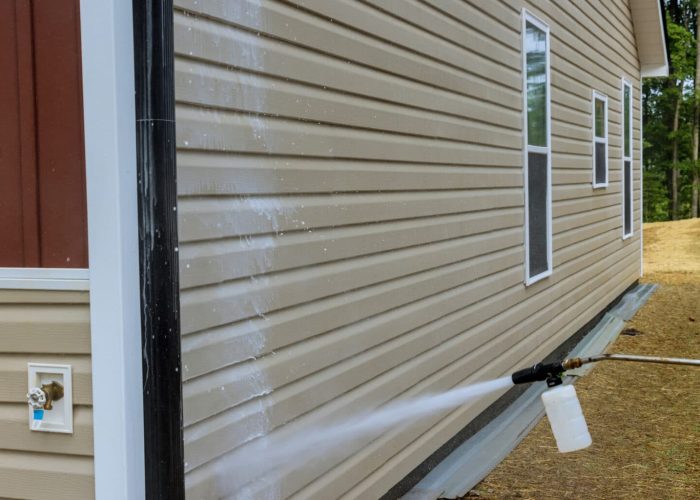
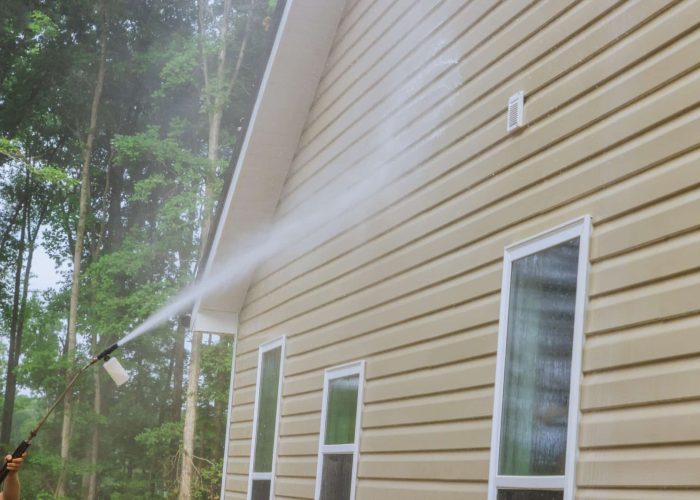
Professional siding cleaning in Tacoma typically involves soft washing. Unlike traditional high-pressure washing, soft washing uses low-pressure water combined with biodegradable cleaning detergents designed to break down dirt, algae, mildew, and organic buildup.
The cleaning solution is carefully applied to the siding and allowed to sit for a short period. During this process, the detergents penetrate the stains and kill organic growth at the source. Afterward, the surface is gently rinsed using low pressure.
This approach is highly effective because it removes not only the visible stains but also the microorganisms responsible for recurring discoloration. Soft washing also helps extend the life of exterior materials by reducing the risk of moisture-related deterioration.
Professional cleaners adjust their process depending on the type of siding. Vinyl, wood, stucco, and brick all require different cleaning considerations to ensure safe and effective results.
Why Soft Washing Is Preferred Over High-Pressure Washing
Many homeowners assume that stronger pressure automatically means better cleaning results. However, high-pressure washing can actually damage siding if used incorrectly.
Excessive pressure may crack vinyl panels, strip paint, force water behind siding, or erode wood and stucco surfaces. In Tacoma’s damp environment, trapped moisture can later contribute to mold growth or structural issues.
Soft washing avoids these risks by relying on specialized cleaning solutions instead of aggressive force. The low-pressure method safely cleans exterior surfaces while protecting landscaping, paint, seals, and siding materials.
For this reason, soft washing is generally considered the preferred method for residential siding cleaning throughout Tacoma.
Siding Materials That Benefit From Professional Cleaning
Professional house washing services are effective on several common exterior materials found in Tacoma homes.
Vinyl Siding
Vinyl siding often develops algae streaks and green buildup from moisture exposure. Soft washing safely removes these stains while preserving the finish and preventing cracking.
Wood Siding
Wood siding requires careful treatment because excessive pressure can splinter or damage the surface. Soft washing cleans dirt, mildew, and black streaks without harming the wood.
Stucco Siding
Stucco surfaces can trap moisture and dirt in textured areas. Professional soft washing helps restore a more uniform appearance while minimizing the risk of surface damage.
Brick and Concrete
Brick siding and concrete surfaces often collect mildew, moss, and dark stains over time. Professionals may use a combination of soft washing and appropriate pressure levels, depending on the surface condition, to remove buildup while protecting the material.
Understanding the Difference Between Dirt and Oxidation
Not every discoloration issue is caused by dirt or organic growth. Some homes experience siding oxidation, which occurs when exterior materials break down due to prolonged exposure to sunlight and weather.
Oxidized siding often appears faded, chalky, or powdery. Homeowners may notice a white residue when they touch the siding. In these cases, standard washing can remove surface dirt, revealing uneven or blotchy areas beneath.
Professional cleaners can usually identify oxidation during an inspection and recommend whether additional restoration services are necessary. Oxidation removal often requires specialized techniques beyond routine house washing.
Understanding this difference is important because homeowners may otherwise expect a standard cleaning to fully restore heavily weathered siding.
Why Gutter Cleaning Matters
Gutter maintenance plays a major role in keeping siding clean. Overflowing or clogged gutters allow dirty water to run down exterior walls, creating the black streaks commonly known as tiger stripes.
Even after professional house washing, neglected gutters can quickly reintroduce stains to freshly cleaned siding. For this reason, many Tacoma homeowners choose to combine gutter cleaning with exterior house washing.
Keeping gutters clear helps direct rainwater away from the home and reduces the chance of recurring discoloration. It also helps protect the foundation, roofline, and landscaping from excess water runoff.
How Often Should Tacoma Homes Be Washed?
Because of Tacoma’s damp climate, annual siding cleaning is generally recommended. Homes surrounded by trees, shaded areas, or high moisture exposure may benefit from more frequent cleaning.
Routine maintenance prevents algae, mold, and mildew from becoming deeply embedded in the siding. It also helps preserve curb appeal and may extend the lifespan of exterior materials.
Waiting too long between cleanings can make stains harder to remove, potentially increasing the need for more extensive restoration work later.
Benefits of Hiring a Professional
While some homeowners attempt DIY pressure washing, professional service provides several important advantages
Experienced technicians know how to safely clean various siding materials with the appropriate detergents and pressure settings. They also know how to identify oxidation, water intrusion risks, and vulnerable areas around windows, seals, and landscaping.
Many professional cleaning companies use biodegradable cleaning products designed to remove organic growth while minimizing environmental impact. This is especially important in Tacoma, where protecting nearby landscaping and drainage systems is a priority.
In addition, professional cleaning usually delivers longer-lasting results because it targets the underlying organisms that cause stains.
Conclusion
Professional siding house washing is an effective way to remove black streaks from homes in Tacoma, WA. Using soft washing methods and professional cleaning detergents, professionals can safely eliminate algae, mildew, mold, and gutter runoff stains from vinyl, wood, stucco, brick, and concrete surfaces.
Because Tacoma’s climate encourages moisture-related buildup, routine exterior cleaning helps maintain curb appeal and protect siding from long-term deterioration. Homeowners should also be aware of issues like oxidation and clogged gutters, both of which can affect cleaning results.
For the best results, professional soft washing offers a safer, more thorough alternative to high-pressure cleaning, helping Tacoma homeowners keep their properties looking clean and well-maintained year-round.
Remove Black Streaks Safely With Professional Soft Washing
Many Tacoma homeowners notice dark streaks spreading across their siding over time. Algae, mildew, gutter runoff, and prolonged exposure to moisture often cause these stains. While pressure washers may seem like a quick fix, improper high-pressure cleaning can crack siding, strip paint, and force water behind exterior panels. Experienced Roof & Gutter Cleaning provides soft washing services that safely eliminate black streaks without damaging your home. Their low-pressure cleaning system combines specialized detergents with gentle rinsing to effectively break down grime and organic growth. This method works especially well for Tacoma’s wet climate, where mold and algae frequently return after surface-only cleaning. Professional soft washing helps restore the appearance of vinyl, wood, stucco, and brick siding while protecting your property from unnecessary wear and tear. The cleaning process also targets the underlying organisms causing discoloration, helping results last longer than DIY cleaning attempts. If your siding looks faded, streaked, or stained, now is the perfect time to schedule a professional exterior cleaning service. Experienced Roof & Gutter Cleaning offers reliable Tacoma house washing services to keep homes looking clean year-round.
Does Soft Washing Damage Siding?
Soft washing is specifically designed to clean exterior surfaces without causing damage. Unlike traditional pressure washing, which relies on high-pressure water, soft washing uses low-pressure application combined with specialized cleaning solutions to remove dirt, algae, mold, and other contaminants. This gentle cleaning method is safe for most siding materials, including vinyl, fiber cement, wood, and painted surfaces. When performed by professionals, soft washing effectively restores the appearance of siding while protecting its finish and structural integrity.
What Causes Black Streaks on House Siding?
Black streaks on siding are often caused by algae, mold, or mildew growth, or by the accumulation of dirt and debris over time. In some cases, water running off clogged or overflowing gutters can leave dark stains that become more noticeable as they accumulate. Areas that receive limited sunlight or are frequently exposed to moisture are particularly vulnerable to this type of discoloration. Professional siding cleaning can safely remove these stains and help restore the home’s exterior appearance.
How Often Should Siding Be Cleaned in Tacoma?
Tacoma’s wet climate and frequent rainfall create ideal conditions for algae, mildew, and dirt buildup on exterior surfaces. Because of these environmental factors, many homeowners benefit from professional siding cleaning at least once per year. Regular cleaning helps prevent staining, protects siding materials from long-term deterioration, and keeps the home’s exterior looking well-maintained. Properties surrounded by trees or located in heavily shaded areas may require more frequent cleanings due to increased moisture retention.
Can Pressure Washing Remove Black Streaks from Siding?
Pressure washing may remove some surface stains, but it is not always the safest solution for siding. Excessive water pressure can damage certain siding materials, force moisture behind panels, or strip away protective finishes. Soft washing is generally considered the more effective and safer option because it targets the organic growth causing the stains rather than simply blasting the surface clean. By using specialized cleaning agents, soft washing can eliminate algae, mildew, and mold while minimizing the risk of damage.
What Is Siding Oxidation?
Siding oxidation is a natural process that occurs when exterior siding materials are exposed to years of sunlight, moisture, and changing weather conditions. As the surface breaks down, it can develop a chalky residue, faded appearance, or uneven coloration. Oxidation is especially common on older vinyl and aluminum siding. Standard cleaning methods may not fully remove oxidation, and specialized restoration techniques are often required to improve the siding’s appearance. Addressing oxidation early can help preserve curb appeal and extend the life of exterior surfaces.