
How Often Should Roofs and Gutters Be Cleaned in Auburn, WA?
In Auburn, Washington, regular roof and gutter cleaning is not optional maintenance—it is a necessity driven by the region’s wet climate, frequent rainfall, and abundant tree coverage. Homes in Auburn, like much of Western Washington, are especially vulnerable to moss growth, clogged gutters, and moisture-related damage when exterior drainage systems are neglected.
Understanding how often roofs and gutters should be cleaned helps homeowners prevent costly repairs, extend the lifespan of roofing materials, and protect the home’s structure from water damage. Because Auburn experiences long periods of damp conditions, cleaning schedules here differ significantly from those in drier climates.
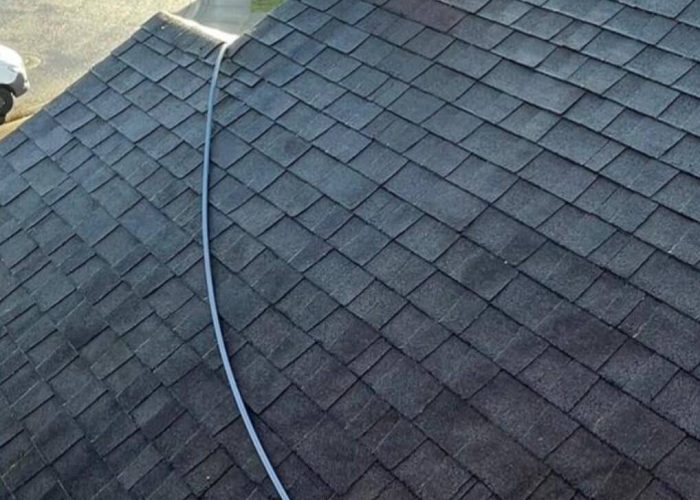
Why Auburn’s Climate Demands Frequent Cleaning
Auburn’s location in the Pacific Northwest brings steady rainfall, high humidity, and limited drying time throughout much of the year. Many neighborhoods are surrounded by evergreen trees that shed needles year-round, along with deciduous trees that drop large volumes of leaves in autumn.
These conditions create the perfect environment for:
- Moss and algae growth on roofs
- Rapid gutter clogging
- Trapped moisture along the fascia and the roof edges
Without consistent maintenance, debris buildup can quickly lead to roof leaks, wood rot, and water issues in the foundation.
Gutter Cleaning Frequency in Auburn, WA
Minimum Recommended Schedule
For most homes in Auburn, gutters should be cleaned at least twice per year:
- Late spring to remove winter debris and pine needles
- Late autumn to clear fallen leaves before heavy winter rain
This schedule helps ensure gutters remain functional during the wettest parts of the year.
Homes With Heavy Tree Coverage
Homes surrounded by trees or located in heavily shaded, damp areas often require more frequent gutter maintenance. In these situations, cleaning every three months may be necessary.
Tree debris accumulates quickly in Auburn, and even partially clogged gutters can overflow during heavy rain. Quarterly cleaning prevents buildup from reaching a critical level.
Signs Gutters Need Immediate Cleaning
Regardless of the schedule, gutters should be cleaned right away if you notice:
- Water overflowing during rain
- Gutters that appear half-full or packed with debris
- Plants or moss growing inside the gutter
- Water is pooling near the foundation
These signs indicate that drainage is already compromised and damage may be developing.
Why Clean Gutters Matter in Western Washington
Clogged gutters are one of the leading causes of exterior water damage in Auburn. When gutters cannot carry water away from the roofline, moisture backs up, creating multiple risks.
Fascia Board and Roof Edge Damage
Standing water in gutters saturates fascia boards, leading to wood rot and paint failure. Over time, this weakens the attachment points of gutters and can cause sections to sag or detach.
Roof Leaks
Overflowing gutters allow water to creep under shingles, especially during prolonged rain. This can lead to roof leaks, damaged underlayment, and interior ceiling stains.
Foundation and Crawl Space Issues
Water spilling over clogged gutters often lands directly next to the home’s foundation. In Auburn’s wet soil conditions, this can contribute to erosion, basement moisture, and crawl space dampness.
Roof Cleaning Frequency in Auburn, WA
Recommended Cleaning Interval
Roofs in Auburn should typically be cleaned every 1 to 2 years, depending on:
- Amount of moss and algae growth
- Roof orientation and shade exposure
- Surrounding vegetation
Moss growth is especially aggressive in Western Washington and can establish itself quickly if left untreated.
Best Time of Year for Roof Cleaning
The ideal window is late spring through early autumn, when drier conditions make cleaning safer and more effective.
Winter roof cleaning is generally avoided due to safety concerns and limited effectiveness in the presence of constant moisture.
Why Moss and Algae Are a Serious Problem
Moss and algae are not just cosmetic issues. Moss retains moisture against roofing materials, preventing them from drying properly.
Over time, moss can:
- Lift shingles or tiles
- Accelerate granule loss on asphalt shingles
- Shorten the roof’s lifespan
If moss growth becomes thick, it can also block proper water flow, increasing the risk of leaks.
Extending Time Between Roof Cleanings
While full roof cleanings are typically needed every 1–2 years, regular moss treatment can extend that interval.
Preventative Moss Treatments
Applying moss control treatments helps slow regrowth and can keep roofs cleaner for 18 to 24 months between major cleanings. This approach is especially beneficial for shaded or north-facing roof sections.
Preventative care reduces wear on roofing materials and lowers long-term maintenance costs.
Importance of Regular Roof Inspections
In addition to cleaning, semi-annual roof inspections are strongly recommended in Auburn.
What Inspections Help Catch Early
Inspections help identify:
- Fallen branches or trapped debris
- Early moss or algae growth
- Damaged or missing shingles
- Clogged roof valleys
Catching these issues early prevents small problems from becoming expensive repairs.
How Roof and Gutter Maintenance Work Together
Roof and gutter systems are closely connected. A clean roof sheds debris more effectively, while clean gutters ensure water is carried safely away.
Neglecting one often leads to problems in the other. For example:
- Moss from the roof washes into gutters
- Clogged gutters keep the roof edges wet
- Wet roof edges accelerate moss regrowth
Maintaining both systems together provides the best protection for the home.
Long-Term Cost Savings of Routine Cleaning
While regular cleaning requires ongoing investment, it is far less expensive than repairing water damage caused by neglect.
Routine maintenance helps homeowners avoid:
- Roof leaks and interior repairs
- Fascia and soffit replacement
- Foundation moisture issues
- Premature roof replacement
In Auburn’s damp climate, preventative care is one of the most cost-effective ways to protect a home.
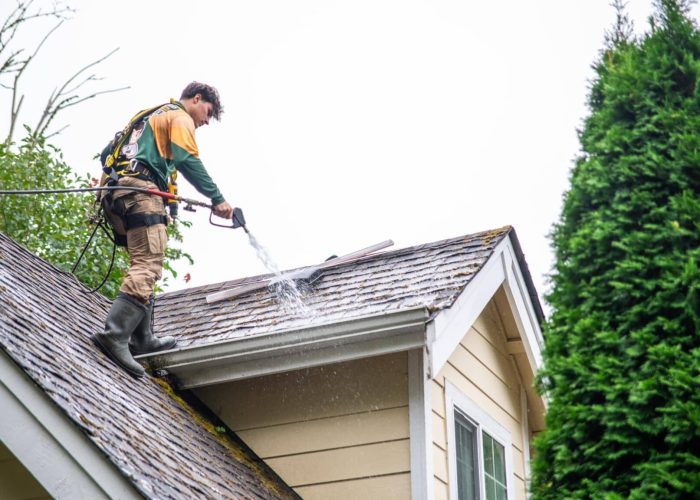
Conclusion
In Auburn, Washington, roofs and gutters should be cleaned at least twice a year, with more frequent gutter cleaning needed for homes surrounded by trees. Roofs typically require cleaning every 1 to 2 years, with regular inspections and moss treatments helping extend their lifespan.
Because Western Washington’s climate encourages rapid moss growth and debris accumulation, consistent maintenance is essential. Keeping gutters clear and roofs clean protects against fascia rot, roof leaks, and water damage—ensuring the home remains structurally sound and maintained year-round.
Keep Your Auburn Home Protected With Routine Roof and Gutter Cleaning
In Auburn’s rain-heavy climate, roofs and gutters work nonstop to move water away from your home. Experienced Roof & Gutter Cleaning provides professional maintenance designed for Western Washington conditions. Regular gutter cleaning prevents overflow, fascia rot, and foundation moisture, while routine roof cleaning controls moss that can shorten the roof’s lifespan. Sticking to the right schedule helps homeowners avoid costly repairs and extend the life of exterior materials. Don’t wait for visible damage—consistent maintenance is the key to protecting your home year-round.
Frequently Asked Questions (FAQ)
At a minimum, twice per year. Homes with heavy tree coverage may need cleaning every three months.
Late autumn and late spring are ideal times to remove seasonal debris.
Most roofs need cleaning every 1–2 years, depending on moss growth and exposure to sunlight.
Yes. Moss traps moisture and can lift shingles, leading to leaks and reduced roof lifespan.
Yes. Many issues are not visible from the ground and are best caught early through inspections.