
How Often Should You Clean Gutters in Maple Valley, WA?
Gutters play an invaluable role in protecting homes from water damage, particularly in regions with substantial rainfall. Maple Valley, WA‘s Pacific Northwest climate brings frequent rain, dense evergreen foliage, and seasonal storms, which require regular gutter maintenance to avoid roof damage, mold growth, leaks, or foundation issues that can become increasingly serious over time. Failing to perform this maintenance regularly could result in roof leaks or worse.
While most homeowners can manage a twice-annual gutter-cleaning schedule, Maple Valley properties require more frequent maintenance due to environmental conditions. This guide explains when and how often gutters should be cleaned, which tasks should be included in regular maintenance, and how you can protect against weather-related damage.
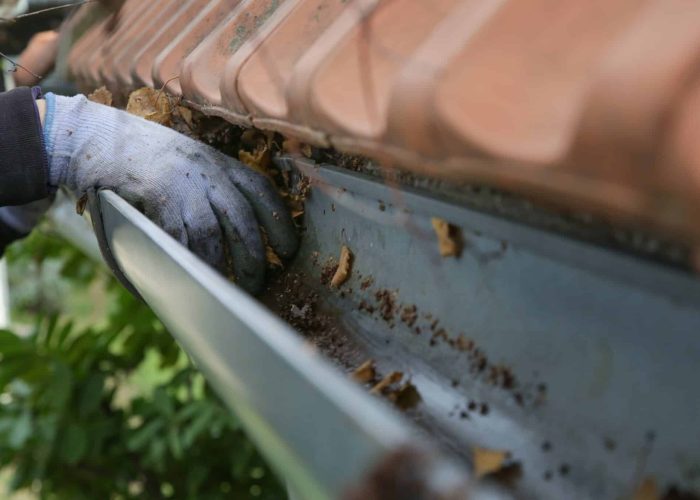
Why Gutter Maintenance Matters in Maple Valley’s Climate
Maple Valley is known for its wet climate, with rainfall occurring throughout much of the year. Homes in the region are also often surrounded by evergreen trees that shed needles year-round. These factors contribute to gutter clogs and slow drainage, increasing the risk of:
- Water overflowing onto the siding and foundations
- Ice dams during winter
- Roof rot or leaks
- Basement moisture issues
- Mold and mildew growth
- Premature deterioration of gutter materials
Proper gutter maintenance helps ensure that water flows smoothly away from the home, reducing the risk of costly, preventable damage.
Recommended Gutter Cleaning Schedule for Maple Valley, WA
Because of Maple Valley’s weather patterns and tree density, the ideal cleaning schedule varies by property. Here is a breakdown of the recommended frequencies:
1. Twice a Year (Minimum Recommendation)
This schedule works for homes without heavy tree coverage or those located in open areas.
Late Fall Cleaning:
This is the most essential cleaning of the year. By late fall, most leaves have already dropped. Clearing gutters before heavy winter rain—and potential freezing temperatures—prevents clogs, ice dams, and overflow.
Late Spring Cleaning:
A spring cleaning clears out debris from winter storms, including seed pods, blossoms, and organic buildup. This ensures gutters are ready for summer rainfall and early fall weather.
A twice-yearly schedule is considered the minimum for Maple Valley homeowners.
2. Quarterly Cleaning (Every 3–4 Months)
Homes surrounded by dense tree cover, such as evergreens or large deciduous trees, require greater attention. Pine needles, in particular, shed constantly and quickly accumulate under gutter guards despite efforts to keep out debris.
Quarterly cleanings help prevent:
- Rapid clogging
- Water overflow and fascia damage
- Mold growth in perpetually damp gutters
- Downspout blockages that cause backups
Given the consistent rainfall in Maple Valley, quarterly maintenance is ideal for heavily wooded properties or homeowners who want to avoid emergency issues.
3. As Needed, After Severe Weather
Even with strict maintenance, it’s a good idea to conduct a comprehensive gutter inspection after major storms, high winds, or heavy rainfall. Debris from fallen branches can quickly clog gutters, so regular inspection can help identify potential issues before they become major ones.
Essential Gutter Maintenance Tasks
Proper gutter maintenance entails more than simply removing leaves from your gutters – it requires debris removal, functional checks, and preventive measures to keep them running as intended.
1. Remove Debris Thoroughly
This includes:
- Leaves
- Pine needles
- Twigs
- Dirt and roof granules
- Moss growth
Downspouts should be flushed to ensure they are clear, and strainers can be installed to help block large debris from entering drainage systems.
2. Inspect and Repair Damage
During each cleaning, take time to inspect gutters for:
- Cracks or splits
- Loose or missing hangers
- Rust spots or corrosion
- Separating seams
- Peeling caulk around joints
- Signs of water staining on siding
Addressing minor issues early helps prevent leaks and extends the life of the gutter system.
3. Check for Proper Water Flow
Gutters must be angled correctly to ensure water flows toward the downspouts. Signs of improper slope include:
- Standing water in the gutter
- Pools of water near downspouts
- Slower-than-normal drainage
Adjusting the slope or reattaching sagging sections helps restore proper function.
4. Trim Overhanging Branches
Overhanging trees are one of the most significant contributors to gutter clogs in Maple Valley. Trimming branches:
- Reduces falling debris
- Limits sap and pollen accumulation
- Helps keep gutters cleaner for longer
- Reduces the risk of storm-related roof damage
Regular pruning is significant for homes with fir, cedar, or pine trees nearby.
5. Consider Installing Gutter Guards
Gutter guards can reduce the amount of debris entering a gutter system, but they’re no replacement for regular maintenance. While they help minimize clogs, small debris such as pine needles and roof granules may still get in.
Gutter guards may reduce cleaning frequency, but inspections must still occur annually or biannually to maintain peak condition and protect their integrity.
Signs Your Gutters Need Immediate Cleaning
Even with a regular schedule, sure signs indicate your gutters require immediate attention:
- Water spilling over the sides during rain
- Visible plant growth in the gutters
- Sagging or bending sections
- Pools of water around the foundation
- Persistent dampness or mold on siding
- Rust streaks or peeling paint
If you notice any of these symptoms, plan a cleaning right away to prevent further damage.
Should You Clean Gutters Yourself or Hire a Professional?
Homeowners with single-story homes may feel confident performing their own gutter maintenance. However, doing so can be physically demanding and potentially dangerous, especially when working on ladders or roofs in wet conditions.
Hiring a professional may be safer and more efficient if:
- Your home is multi-story
- You have dense tree coverage
- You are uncomfortable with heights
- Gutters are heavily clogged
- Inspection or repairs are needed
Professionals often provide a more thorough service, including downspout flushing, slope checks, and minor repairs.
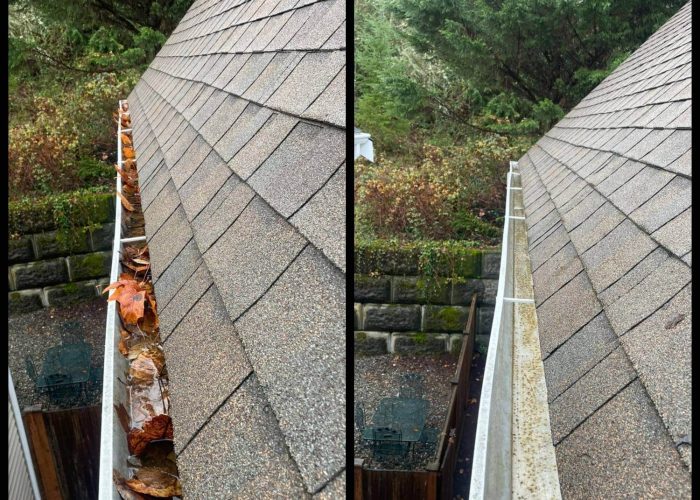
Conclusion
Maple Valley, WA typically recommends two annual gutter cleanings for homes; however, due to heavy rainfall and evergreen foliage in the region, properties surrounded by trees may benefit from more frequent inspections and gutter cleaning. Routine maintenance helps prevent water damage, improve drainage, and extend lifespan — both its useful lifespan and its useful lifespan.
By regularly cleaning, inspecting, and clearing their gutters of debris following severe weather events, homeowners can protect their properties from moisture seepage damage. Whether opting for DIY gutter cleaning or hiring professional help to maintain proper slope, being proactive about maintaining safe, functional homes in Maple Valley during its wet seasons will keep them safer and more functional throughout these seasons.
Book Your Fall Gutter Cleaning to Prepare for Maple Valley’s Winter Weather
Late fall is an optimal time to clean gutters in Maple Valley, WA. By this time of year, leaves, fir needles, and storm debris have amassed, restricting water flow and creating the potential for winter clogs. If gutters remain clogged during freezing temperatures, ice dams may form, trapping moisture that can lead to roof leaks and structural damage. Booking fall gutter cleaning will ensure your home remains winter-ready by clearing out debris, flushing downspouts, and checking the slope to ensure everything drains correctly – thus preventing runoff from pooling beneath roof shingles or running off onto siding and walkways. Fall gutter maintenance will prolong gutter lifespan by reducing long-term moisture buildup and rust formation, protecting both your home and gutters before colder, wetter weather arrives. Make fall maintenance part of your annual schedule to protect yourself against winter problems.
Frequently Asked Questions (FAQ)
At least twice a year, with quarterly cleanings recommended for homes with heavy tree coverage.
No. They reduce debris but still require periodic inspection and maintenance.
Late fall, before winter storms and freezing temperatures, is the most crucial time.
Clogs can cause overflow, leading to roof leaks, siding damage, foundation erosion, and mold growth.
Yes. Strong winds and heavy rain can cause debris to fall suddenly or damage gutter sections.